

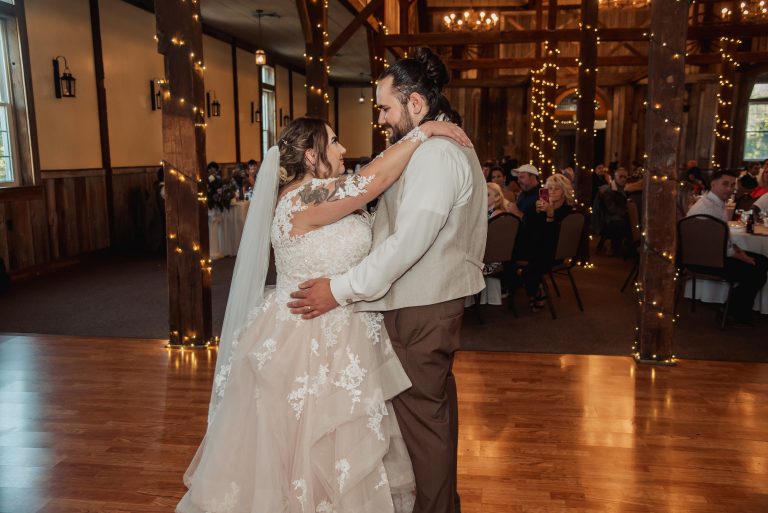
Wedding catering involves more than choosing dinner. Guest counts, dietary needs, staffing, venue logistics, speeches, cocktail hour, and the reception timeline can all affect how and when food service happens.
That is where experience becomes valuable. An experienced wedding caterer understands that good service starts well before the first guest arrives. Careful preparation and clear communication help the catering team understand what the couple has planned and how meal service fits into the larger reception.
For Pittsburgh couples comparing catering options, understanding that preparation process can make it easier to evaluate prospective caterers and know which questions to ask.
Wedding catering experience isn’t simply about having worked a certain number of events. What matters to the couple is how that experience shapes the planning and service process.
An experienced wedding caterer knows that seemingly small details can affect other parts of the reception. Cocktail-hour timing can influence when dinner begins. The service style can affect staffing needs. Dietary accommodations may require planning. Venue requirements can influence how food is prepared, transported, staged, or served.
These details are why professional catering begins with questions and communication.
Before the wedding day, the catering team should clearly understand the event, its schedule, and its food service requirements. Couples who want to learn more about the unique considerations involved can also read about what makes wedding catering different.
A clear catering plan gives the team the information needed to prepare for service. While every wedding is different, several details commonly influence that plan.
Guest count is one of the most important factors. Caterers need an accurate number to plan food quantities, service, and staffing appropriately. Menu selections and service style also matter because a plated meal, buffet, or another service format may involve different timing and staffing considerations.
Discuss known dietary restrictions and food allergies in advance. The catering team also needs relevant information about the venue, schedule, setup, and responsibilities associated with food service.
Planning does not mean every minute of the reception has to happen exactly as written. It gives the people involved a shared framework for the day.
Couples can also benefit from reviewing common wedding catering planning mistakes as they prepare their catering details.
Dinner is one part of a larger wedding reception. Food service may need to work alongside cocktail hour, guest seating, introductions, speeches, dances, photography, and other scheduled moments.
For example, dinner service may begin shortly after the wedding party is introduced. If another reception activity is scheduled immediately before dinner, the catering team needs to understand the timing so they can coordinate food preparation and service accordingly.
This is one reason sharing the reception timeline with the caterer is helpful. The caterer does not need to direct every part of the celebration, but the team should understand the events that affect food service.
Good coordination also means identifying important transitions. When should guests begin taking their seats? When will dinner service start? Are speeches planned before, during, or after the meal? Knowing the answers helps catering fit naturally into the reception instead of operating separately.
Dietary restrictions and known food allergies are important parts of catering planning. Couples should communicate these needs as early and clearly as possible so the caterer can explain available options and how they will handle accommodations.
Depending on the menu and service format, accommodating a guest may require planning how a meal is prepared, identified, or served. Waiting until the reception is underway to communicate a dietary requirement can make that process more difficult.
Couples should ask prospective caterers how they collect dietary-need information and what they need before the wedding.
Clear communication helps everyone involved. The couple understands what arrangements have been discussed, and the catering team can plan accordingly.
The right staffing plan depends on the wedding itself. Guest count is one factor, but not the only one. Menu choices, service format, venue setup, schedule, and the responsibilities assigned to the catering team may also influence staffing needs.
A buffet and a plated dinner, for example, involve different service processes. A reception with several food service periods may have different requirements from one centered primarily around dinner.
This is why couples should be cautious about evaluating staffing based on a single number or general rule. A more useful question is how the caterer determines the appropriate staffing level for a particular wedding.
An experienced wedding caterer should be able to discuss the factors that go into the service plan and clarify what the catering team will handle during the reception.
Wedding timelines provide structure, but small timing changes can happen during a reception.
A speech might take a little longer than expected. Guests may need additional time to move from cocktail hour to their seats. Photos or introductions may shift slightly as the next part of the reception begins.
Preparation helps the catering team respond to these changes without treating every adjustment as a major disruption.
If the catering team understands the overall timeline and knows who to communicate with, it is easier to assess how a small delay affects meal service. That might mean coordinating with the planner or venue before beginning the next stage of service or making an appropriate timing adjustment within the catering operation.
The goal is not to predict every possible change. It is to have enough information and communication in place to respond appropriately when the schedule moves.
Couples usually see only part of what happens during catering service. Behind the scenes, communication helps keep everyone working from the same plan.
Within the catering team, staff members need to understand their responsibilities and the expected timing of service. Depending on the wedding and venue, the caterer may also need to coordinate relevant details with a wedding planner, venue representative, or other professionals involved in the reception.
Clear points of contact help a lot. If dinner needs to wait a few minutes, for example, the catering team should know who is responsible for confirming that adjustment.
These conversations do not need to involve the couple every time a small timing question comes up. Establishing responsibilities and communication before the reception can help the professionals involved coordinate the details that affect their work.
Couples comparing Pittsburgh wedding catering companies can learn a great deal by asking how each caterer approaches planning, not just what appears on the menu.
Useful questions include:
The answers can help couples understand the caterer’s planning process, communication style, and approach to service. They can also make it easier to compare proposals based on more than menu selections and price alone.
A couple should not have to spend their reception personally monitoring every detail of dinner service.
That does not mean catering happens without their input. Their decisions about the menu, guest needs, timing, service style, and other priorities are essential to the planning process. The difference is that those details should be discussed and organized before the wedding so the catering team knows what is expected.
Professional wedding catering should feel prepared and coordinated. The couple should know their point of contact, understand what services are included, and have a clear picture of how the catering plan fits into the reception.
Choosing an experienced wedding caterer is ultimately about more than the meal itself. It is also about finding a team that understands the planning, communication, and coordination required to serve that meal as part of a larger celebration.
For couples planning a wedding in Pittsburgh or the surrounding area, Carson’s Catering can discuss your wedding plans, catering needs, and service expectations. Contact Carson’s Catering to learn more about the team’s approach to wedding catering preparation and service.

