

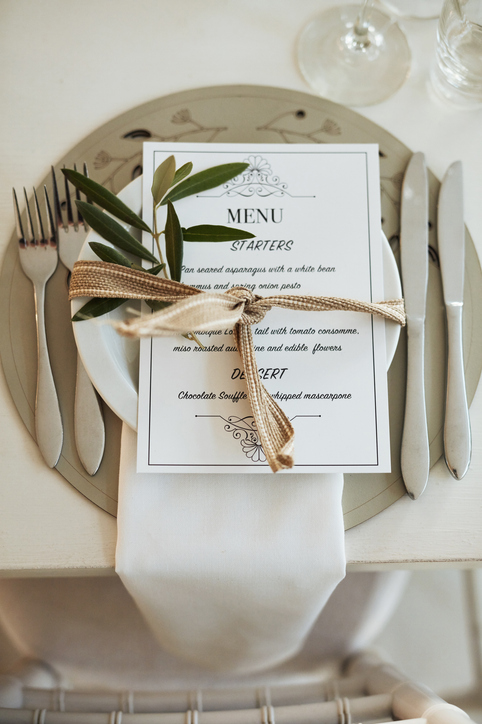
“How do we choose a wedding menu that everyone will enjoy?”
It is one of the most common questions couples face during wedding planning. A guest list may include young children, grandparents, close friends, coworkers, and extended family members, all with different tastes, dietary needs, and expectations.
Creating a menu for a multigenerational group does not mean choosing generic food or setting aside your own preferences. The goal is to build a balanced dining experience that feels familiar, varied, and personal.
With thoughtful planning and help from an experienced wedding catering provider in Pittsburgh, couples can create a menu that makes guests of every generation feel comfortable and included.
Before selecting appetizers, entrées, or side dishes, consider the makeup of your guest list.
You do not need to know every guest’s favorite meal. However, understanding the general age range, family dynamics, and dietary needs can help guide menu decisions.
Families with young children may appreciate approachable selections. Older guests may prefer recognizable dishes that are prepared well and served comfortably. Younger guests may enjoy contemporary flavors, creative sauces, or updated versions of familiar foods.
These are not strict rules, and couples should avoid making assumptions based only on age. The purpose is to create balance. A varied menu allows guests to find something they enjoy without making the overall meal feel disconnected.
Wedding menus often work well when they combine familiar choices with a few more contemporary elements.
Classic options may include:
These dishes can be customized through sauces, preparation methods, and side pairings. A traditional chicken entrée may be served with a flavorful sauce and seasonal vegetables. A familiar pasta dish may include fresh ingredients or a more refined presentation.
Contemporary options can also appear during cocktail hour or through side dishes. Creative appetizers, elevated comfort foods, chef-inspired sauces, and seasonal ingredients can add personality without making the menu feel unfamiliar.
Couples should also consider foods that are meaningful to them. A family recipe, favorite cuisine, or dish connected to an important memory can help personalize the menu. An experienced professional catering company can help incorporate those ideas while keeping the entire meal cohesive.
Variety is more important than following food trends. Offering several thoughtfully selected options gives guests flexibility and helps more people feel considered.
Depending on the service style, variety may include:
Variety does not require an oversized menu. Too many unrelated dishes can make service more complicated and the meal less cohesive.
Each selection should have a clear purpose. A balanced mix of proteins, vegetables, starches, and lighter options gives guests choices while keeping the meal organized.
A caterer can help couples decide how much variety is appropriate based on the guest count, budget, reception schedule, and service format.
Dietary accommodations play an important role in guest comfort. Vegetarian, vegan, gluten-free, and dairy-free requests are common, and food allergies may require additional care.
Accommodating these needs does not mean offering a less appealing meal. With planning, alternative dishes can receive the same attention as the rest of the menu.
Couples should include a place for guests to share dietary needs during the RSVP process. This allows the catering team to review requests, identify possible allergens, and recommend suitable alternatives.
Carson’s Catering can also help couples understand how ingredients and preparation methods may affect guests with dietary concerns. Our guide to navigating dietary restrictions provides additional information about planning inclusive menu options.
Clear communication between the couple, caterer, venue, and service staff helps ensure that accommodations are handled carefully during the reception.
The chosen service style will affect the number and type of dishes couples can offer.
A plated dinner usually provides a structured meal with a limited number of entrée selections. Guests may choose their meals in advance, which helps the catering team prepare and serve each course according to the reception timeline.
A buffet allows your guests to choose their own portions and may offer a wider variety. This can work well for weddings with a range of tastes, especially when selections are organized and replenished professionally.
Food stations allow your guests to explore different flavors and may create a more flexible dining experience. Stations can feature different cuisines, proteins, sides, or meal categories while still feeling coordinated.
There is no single service style that works for every wedding. The right choice depends on guest count, menu preferences, venue logistics, timing, and the desired level of formality.
A wedding meal is not defined by one entrée or appetizer. The overall experience also depends on pacing, portion size, food temperature, consistency, and professional service.
Guests should have enough time to enjoy the meal without feeling rushed. Portions should feel satisfying while leaving room for dessert and other reception activities. Dietary meals should reach the correct guests, and buffet lines should remain organized.
Food also contributes to the mood and flow of the reception. A plated dinner may create a more structured experience, while a buffet or station format may feel more flexible. Couples can learn more about the role of food in creating atmosphere and how dining choices affect the guest experience.
Wedding menu planning involves more than choosing dishes from a list. A caterer should also consider guest count, dietary needs, service style, venue logistics, family preferences, and the reception timeline.
Full-service wedding catering gives couples guidance throughout the planning process. Instead of managing every menu detail alone, couples can work with a team that understands how food choices affect preparation, timing, and service.
Carson’s Catering works with couples to create menus that reflect their tastes while remaining approachable for their guests. The team can help compare menu options, create balanced pairings, plan dietary alternatives, and select a service style that fits the wedding.
Designing a wedding menu that appeals to all generations is not about finding one dish that every guest considers a favorite. It is about creating a shared dining experience with enough familiarity, variety, and flexibility to help everyone feel welcome.
By understanding the guest list, balancing classic and modern options, planning dietary accommodations, and choosing an appropriate service style, couples can create a meal that reflects their wedding while considering their guests.
Carson’s Catering works with couples throughout the Pittsburgh area to create personalized wedding menus supported by thoughtful planning and professional service. Contact the team to begin planning your wedding catering today.
Combine familiar dishes with a few contemporary flavors, and offer enough variety to accommodate different tastes and dietary needs.
Multiple entrée choices can help accommodate guest preferences. A caterer can recommend the right number based on the service style and guest count.
Ask guests to share dietary needs during the RSVP process and provide the information to your caterer in advance.
Buffets often provide more variety, while plated dinners offer a more structured experience. Either can work well with careful planning.
Many weddings offer two entrées and a vegetarian option. Buffets and stations may include more selections, depending on the event.

